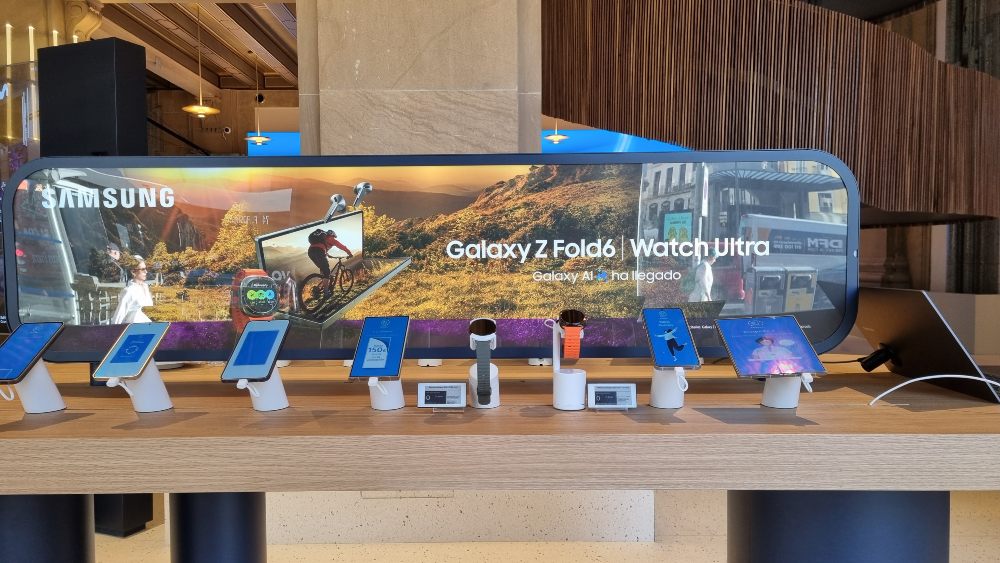
Most of us don’t think twice about shelf labels. They’re just there, doing their job, blending into the background. And maybe that’s exactly why they matter more than we realize.
In a retail environment where prices, promotions, and product details change constantly, shelf labels carry more responsibility than ever. When information is wrong, outdated, or inconsistent, trust erodes quickly. For shoppers and store teams alike, accuracy at the shelf is no longer optional.
This is where Electronic Shelf Labels, or ESLs, start to make real sense. We like to call them SmartTags
From Manual Updates to Real-Time Accuracy
Traditional paper labels rely on people, printers, and perfect timing. Anyone who has worked in retail knows how fragile that process can be. One missed update, a delayed print, or a small human error can impact an entire store.
Electronic Shelf Labels introduce a different approach. Instead of reacting to change, stores stay aligned with it. Pricing and promotions update centrally and appear instantly at the shelf. What’s online, what’s in the system, and what the customer sees finally match.
It’s not flashy. It’s reliable. And reliability is what builds confidence in retail.
Consistency Across Every Store
For multi-store retailers, consistency is one of the hardest things to maintain. Brand guidelines, pricing strategies, and compliance rules are easy to define at headquarters and surprisingly hard to execute at scale.
ESLs quietly help solve this problem. Every store reflects the same logic, the same pricing rules, and the same product information at the same time. No last-minute calls. No printed stacks of labels. Just alignment.
That consistency shows up in subtle ways. Cleaner shelves. Clearer messaging. Fewer interruptions for staff and fewer questions from customers.
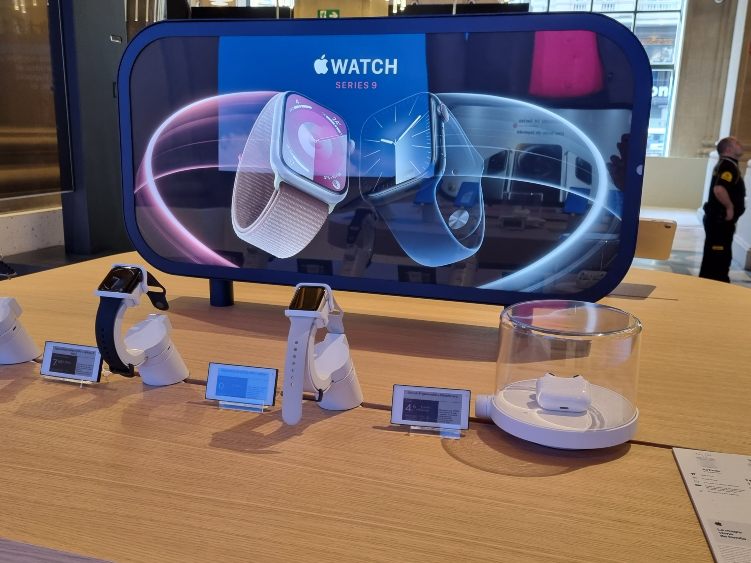
Better Information Without the Noise
One of the most underestimated benefits of SmartTags ESLs is how they improve the shopping experience without demanding attention. ESLs don’t shout. They don’t interrupt. They simply make information easier to trust.
Pricing is clear. Promotions are obvious. Product details are always current. When customers feel confident about what they’re seeing, decision-making becomes smoother and faster.
That confidence matters more than any screen or animation ever could.
A Practical Step Toward More Sustainable Stores
There’s also a sustainability benefit that often goes unnoticed. Electronic Shelf Labels reduce paper usage, eliminate constant reprinting, and help lower operational waste. When combined with smarter device management, they can also reduce energy consumption.
Fewer store visits for audits and updates mean less travel and lower operational impact. These aren’t dramatic changes. They’re small, continuous improvements that add up over time.
Technology That Gets Out of the Way
What makes SmartTags -ESLs interesting isn’t the technology itself. It’s how invisible they become when they’re working properly.
They support store teams without adding extra tasks. They support customers without distracting them. And they help retailers keep pace with change without altering what people enjoy about shopping in person.
Sometimes, the smartest innovations are the ones you barely notice.
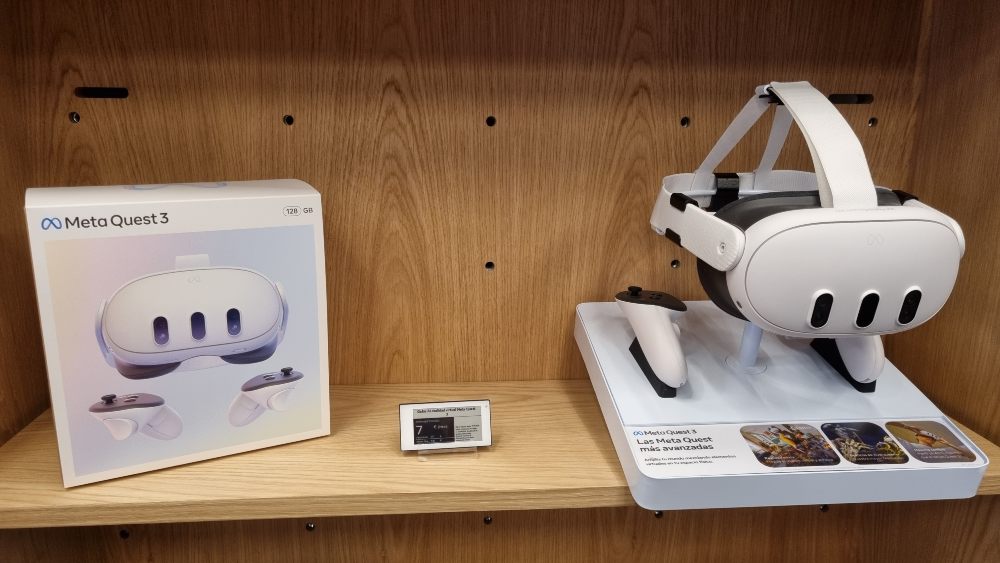
When Information Meets Experience
On their own, SmartTags Electronic Shelf Labels bring clarity and confidence to the shelf. They make sure the fundamentals are right. Accurate pricing, consistent messaging, and information you can trust.
But retail isn’t only about information. It’s also about experience.
That’s where interactive demos like SmartDemo naturally complement the picture. While SmartTags quietly keep everything aligned and up to date, SmartDemo invites curiosity. One grounds the store in accuracy. The other brings products to life.
Together, they represent two sides of the same goal. Clear information and meaningful interaction. Structure and exploration. Control and freedom.
Some retailers may lean more heavily on one than the other. Others may find that combining both creates the balance they’re looking for. There’s no single right answer, and that’s the point.
The best in-store experiences aren’t defined by technology. They’re defined by what feels right for your customers, your teams, and your brand.