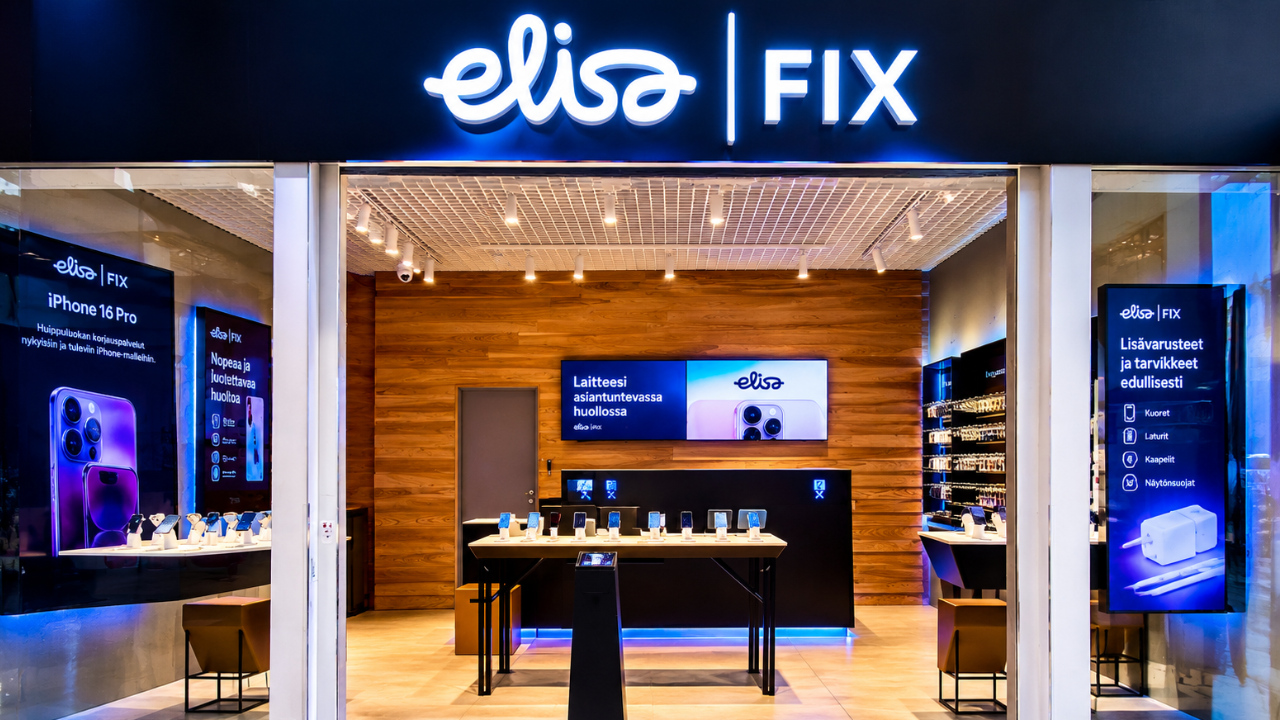
How digital signage, interactive displays, and connected retail solutions help telecom and electronics retailers create engaging, consistent, and data-driven customer experiences.
The role of the physical retail store is changing. Today, retail stores are no longer just places where customers browse products and make purchases. They are becoming powerful communication channels where brands can engage shoppers, showcase products, promote offers, and influence purchasing decisions in real time.
With the rise of connected retail technology, retailers can transform traditional store environments into dynamic brand experiences. Digital signage, interactive screens, live product demonstrations, and Electronic Shelf Labels (ESLs) create new opportunities to communicate with customers at every stage of their shopping journey.
This transformation is particularly relevant for telecommunications and electronics retailers, where product launches, promotional campaigns, pricing updates, and customer expectations change constantly. In these environments, delivering accurate information and a consistent brand experience across multiple stores is essential.
By connecting in-store communication, pricing, product demonstrations, and retail execution, businesses can make their physical locations work harder for their brands and customers.
The opportunity is clear: the future of retail is not just about displaying products. It is about creating connected, interactive, and engaging in-store customer experiences that bring brands to life.
Traditional retail communication often relies on printed posters, promotional materials, static displays, and manual updates. While these methods have long supported retail marketing, they can become challenging to manage across multiple locations, particularly when campaigns and prices change frequently.
A new promotion may be launched online while outdated messaging remains in-store. A product launch may require materials to be printed, distributed, installed, and checked across dozens or hundreds of locations. Without connected systems, maintaining consistent brand communication and accurate pricing can demand considerable time and coordination.
For telecom and electronics retailers, these challenges are even more significant. Product offerings evolve, new devices enter the market, promotional offers change, and customers expect clear information before making purchasing decisions. Disconnected communication tools can make it harder to keep product displays, promotional messages, and shelf pricing aligned.
There is also an opportunity cost. Static promotional materials typically communicate a limited amount of information and offer little flexibility once installed. They cannot easily provide interactive product information, support digital product comparisons, or adapt their content as campaign priorities change.
As retail becomes more competitive, businesses need more flexible ways to manage retail communication, digital promotions, pricing accuracy, and in-store execution.
The solution is not simply to replace every printed material with a screen. It is to connect the right technologies and communication channels so that each touchpoint supports a consistent retail strategy.
Digital technology gives retailers more flexibility in how they communicate inside their stores.
Digital signage can present changing campaigns and product messages. Live demonstration devices let customers explore products directly, while Electronic Shelf Labels can display current prices for accessories such as chargers, cables, and phone cases.
Each technology serves a different purpose. Together, they give retailers more options for delivering information where customers need it.
This shift is not about digitizing every surface. It is about choosing the right tools to make product information, promotional communication, and pricing easier to manage and more useful to customers.
SensorMedia helps multi-store wireless and electronics retailers connect pricing, in-store experiences, and retail execution through technology.
Its SmartCircle ecosystem brings together solutions designed to address specific needs across the retail environment. Rather than approaching every screen, demo device, or price label as an isolated tool, retailers can build a more coordinated approach to managing their in-store technology.
SensorMedia’s SmartCircle solutions support different retail needs:
- SmartSignage: Digital signage for presenting campaigns, brand messages, and product information. It also encompasses the store’s screen-based communication experiences.
- SmartDemo: Transforms live demo units into powerful retail communication tools through device management capabilities that help retailers control both the customer experience and hardware performance.
- SmartTags: Electronic Shelf Labels (ESLs) that help retailers display essential pricing information for accessories and other products, supporting accurate and consistent price communication across stores
- SmartAnalytics: Analytics that provide visibility into device status, customer interactions, and campaign activity.
These capabilities address four distinct needs: communication, product exploration, pricing, and performance visibility. Retailers can apply them according to their operational requirements and customer experience goals.
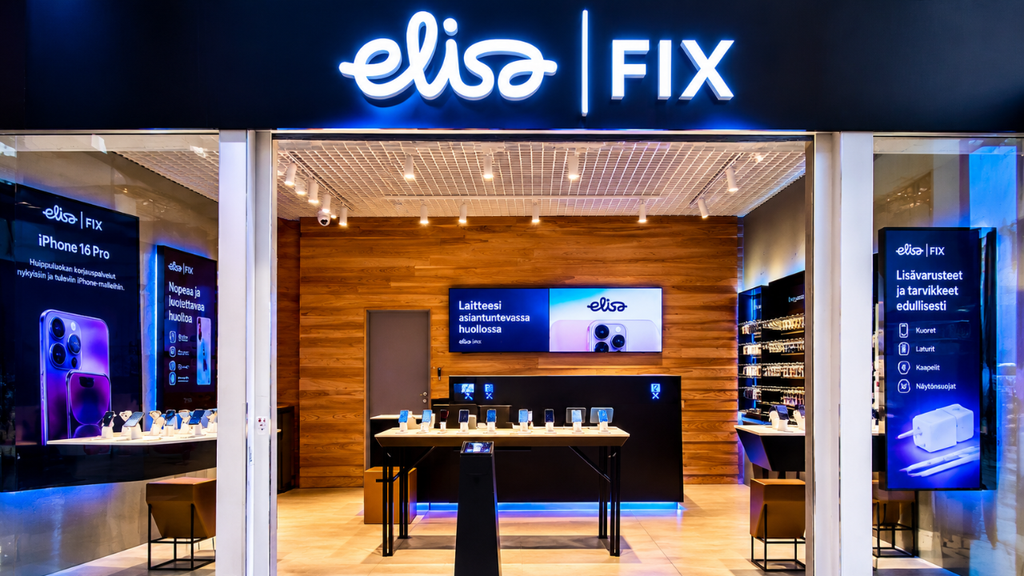
A connected retail environment creates opportunities to communicate with customers at different moments in their shopping journey. From the store entrance to the product shelf, each touchpoint can deliver relevant information while reinforcing the overall brand experience.
- Digital signage for retail helps businesses communicate promotional campaigns, product launches, brand messages, and seasonal offers through dynamic content. Unlike traditional static displays, digital signage allows retailers to update visual communication as campaign priorities evolve.
- Interactive retail displays provide customers with additional opportunities to explore product information and engage with digital content. In electronics retail, these experiences can help shoppers discover features and better understand the products they are considering.
- Live product demonstrations, when using a controlled experience, allow customers to be informed about product offering and interact directly with live demo devices. This is particularly important for smartphones and consumer electronics, where experiencing a product firsthand can support product discovery and purchasing decisions.
- Electronic Shelf Labels (ESLs) help retailers manage digital pricing communication and support more consistent price updates across store shelves. They are especially useful in environments where products, prices, and promotions change frequently.
- Retail analytics and execution tools can help businesses gain visibility into how their retail environments are managed and identify opportunities to improve operational processes. When connected with the broader retail technology ecosystem, these capabilities support more coordinated decision-making.
The greatest opportunity comes when these capabilities work together. A promotional campaign can be introduced through digital signage, supported by interactive product information, reinforced through live demonstrations, and aligned with shelf-level pricing.
Instead of delivering isolated messages, retailers can create a connected communication strategy that makes better use of every in-store touchpoint.
Telecommunications and electronics retailers operate in a fast-moving market where new devices, promotional offers, product features, and customer expectations constantly evolve. As customers compare smartphones, connected devices, accessories, and service offers, the in-store experience can play an important role in helping them understand their options.
However, maintaining a consistent retail experience across multiple stores is not always straightforward. Retailers must coordinate brand communication, pricing, product demonstrations, promotional materials, and store execution while responding to frequent changes.
Telecom retail solutions that connect these activities can help businesses manage their physical environments more effectively. Digital signage can improve campaign visibility, interactive displays can support product discovery, and live demo devices can encourage customers to engage directly with products. Electronic Shelf Labels can support accurate pricing communication, while connected management tools help retailers maintain greater consistency across locations.
Connected retail technologies also create opportunities to make the store experience more useful and engaging. Rather than relying exclusively on sales representatives or printed materials to communicate product information, retailers can give customers additional ways to explore products independently.
For telecom and electronics retailers, the store is no longer simply the final destination for a transaction. It is an important part of the customer journey, where customers discover products, compare options, experience technology, and connect with brands.
Consider a customer visiting a store to explore a new smartphone. SmartSignage introduces the product and highlights its key benefits, while SmartDemo allows the customer to experience the retailer offering and the device features firsthand. If they decide to purchase a charger, case, or cable, SmartTags displays the relevant accessory pricing, while SmartAnalytics provides visibility of the whole interaction.
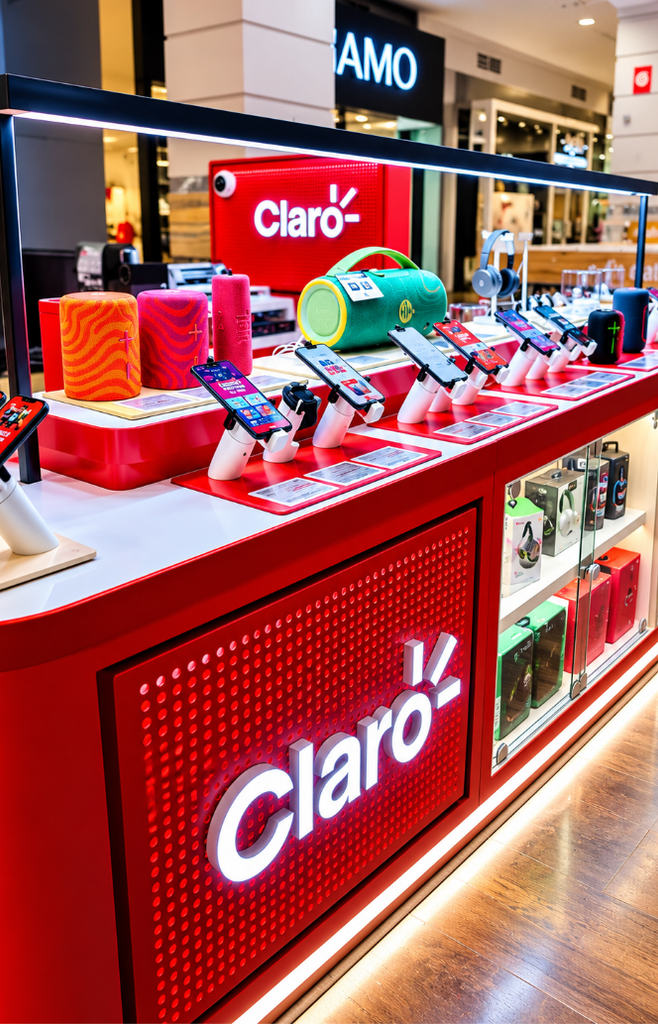
The benefits also extend to customers, who can discover products, explore features, and access relevant pricing information throughout their shopping journey. For retailers, the opportunity is to make better use of in-store touchpoints while reducing reliance on manual updates and disconnected processes.
Ultimately, the value of turning a store into a media channel comes from using the right technology for the right purpose. When each solution supports a clear retail objective, businesses can create more engaging customer experiences while improving the flexibility and consistency of their retail operations.
Physical retail stores are evolving into connected, interactive environments. Connected retail technology enables brands to better engage shoppers and maintain multi-location consistency.
Combining digital signage, interactive displays, live product demos, Electronic Shelf Labels, and analytics creates engaging experiences, coordinates promotional communication, and strengthens retail execution.
SensorMedia helps multi-store wireless and electronics retailers integrate these capabilities via the SmartCircle ecosystem, unifying pricing, in-store communication, product interaction, planogram control, and store execution.
Because the future of retail is not defined by a single screen or device. It is defined by how every part of the store works together to communicate, engage, and deliver a consistent brand experience.
Ready to transform your stores with connected retail technology?