The FIFA World Cup is no longer just a sporting event. It is one of the most powerful commercial moments in global retail and telecommunications.
For telecom providers, consumer technology companies, and connected device brands across the United States, Canada, and Europe, the tournament creates a massive surge in consumer attention, store traffic, mobile connectivity demand, and technology purchases. Millions of consumers upgrade televisions, smartphones, streaming services, gaming systems, mobile plans, and connected home experiences in preparation for the tournament.
That is why global brands invest so aggressively around the World Cup ecosystem.
FIFA expects the 2026 World Cup to become the most commercially successful tournament in history, with more than $13 billion projected in total revenue and billions more invested by global sponsors, telecom providers, and technology brands through advertising, activations, sponsorships, and in-store campaigns.
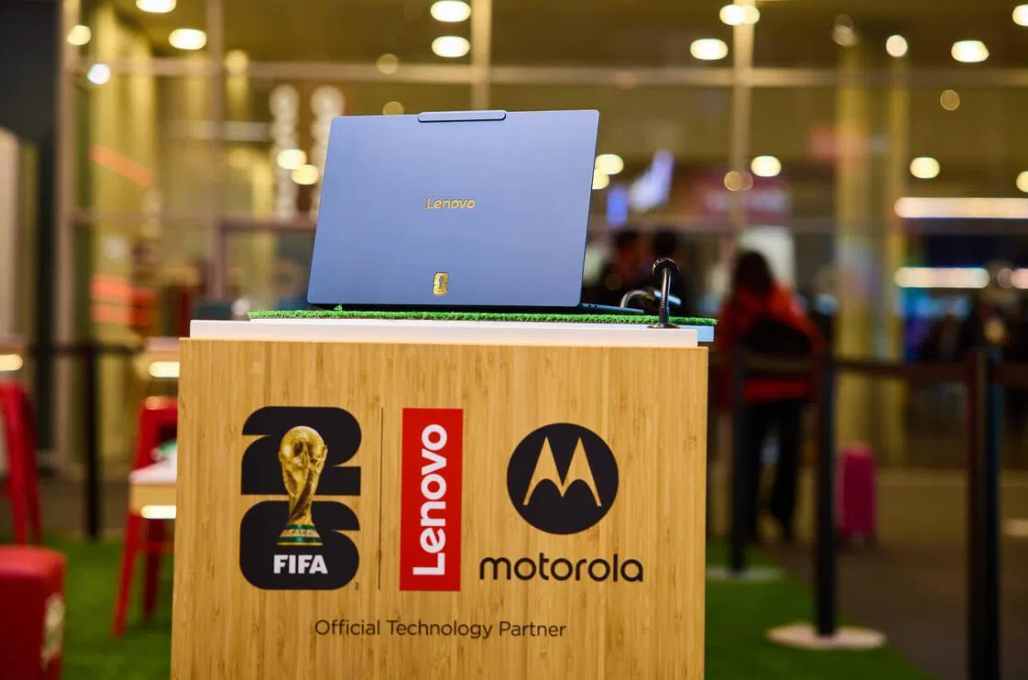
Companies like Verizon, T-Mobile, AT&T, Vodafone, Orange, Samsung, LG, Sony, Lenovo, and Hisense continue using the World Cup as a platform to dominate visibility and customer engagement at a global scale. Telecom carriers and technology-focused retail environments prepare large seasonal campaigns centered around connected devices, premium entertainment experiences, streaming services, gaming products, and mobile connectivity.
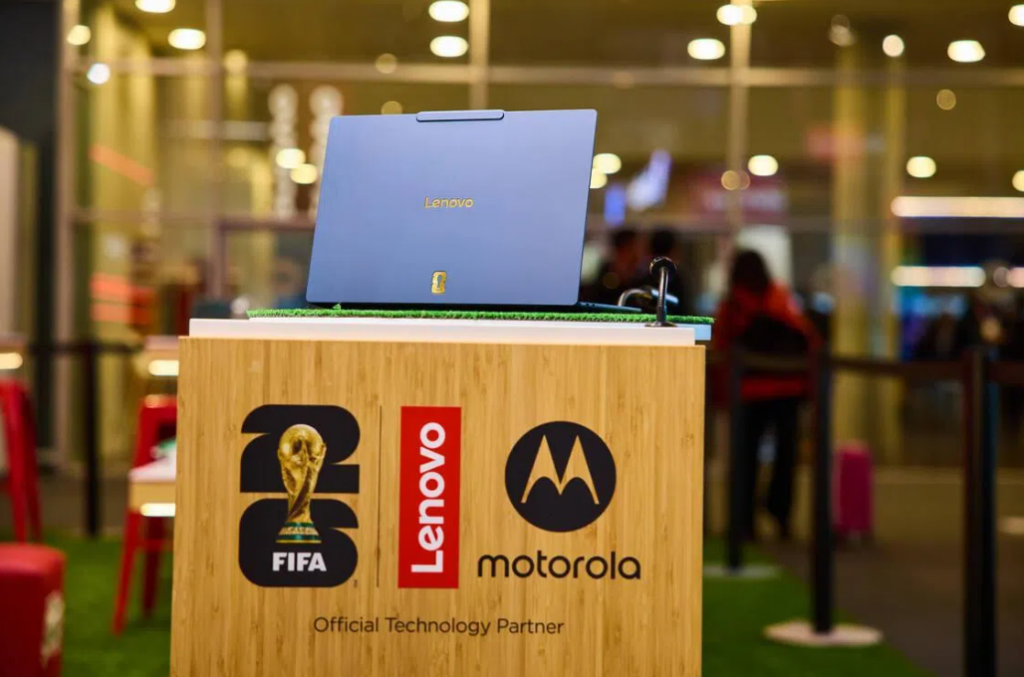
Many sponsorship and activation agreements tied to the tournament ecosystem are estimated between $70M–$150M+, while large telecom and technology campaigns often extend far beyond sponsorship itself through retail activations, experiential displays, and omnichannel marketing investments.
But while brands invest millions driving people into stores and digital channels, one challenge becomes increasingly important:
How do you maximize the return on that investment once customers actually enter the store?
Because attracting attention is only the first step. Execution is what converts attention into revenue.
During high-traffic global events like the World Cup, telecom and technology retail environments become significantly more complex. Promotional displays fail. Pricing updates become inconsistent. High-priority products lose visibility. Store execution varies between regions, and operations teams struggle to identify issues quickly enough before they affect customer engagement or sales performance.
Marketing teams invest heavily into digital signage, branded experiences, and campaign zones designed to stand out during one of the most competitive commercial periods of the year — but managing those experiences consistently across hundreds or thousands of stores is an entirely different challenge.
The reality is that many organizations still rely on fragmented operational processes, delayed reporting, and manual verification to manage campaigns at scale. That creates blind spots exactly when brands need visibility the most.
The World Cup increases traffic, increases pressure, and increases operational risk. At the same time, it creates an enormous opportunity for brands capable of executing better and faster than competitors.
This is where connected retail infrastructure changes the equation.
Modern retail campaigns cannot rely only on visibility and marketing spend. They require operational intelligence behind the scenes — technology capable of supporting real-time execution, responsiveness, and consistency across the entire store network.
The brands that maximize performance during major global events are not simply the ones spending the most money. They are the ones capable of maintaining smarter, more connected retail environments while customer demand accelerates.
That is exactly where SmartCircle becomes critical.
SmartCircle is designed to help telecom providers and technology retailers create intelligent, connected store environments that improve visibility, operational control, and campaign execution during high-demand commercial moments.
Rather than functioning as a single product, SmartCircle operates as a connected retail ecosystem — enabling brands to monitor, optimize, and scale store execution in real time. Through connected infrastructure and operational intelligence, teams maintain stronger control over promotional displays, connected devices, campaign consistency, and customer-facing experiences across multiple locations.
During events like the World Cup, this becomes especially valuable. As stores experience heavier traffic and increased complexity, SmartCircle gives teams the ability to respond faster and ensure campaigns continue performing the way they were designed to — shifting operations from reactive to proactive.
SmartCircle helps organizations build more agile and operationally intelligent retail environments through connected infrastructure and real-time visibility.
Teams can monitor campaign execution across multiple locations without relying on manual store reporting. Promotional displays, connected assets, featured devices, and high-priority retail zones become easier to manage, track, and optimize as conditions change.
This allows telecom providers and technology retailers to maintain stronger consistency across stores during the periods where execution matters most. Instead of waiting hours or days to identify a problem, teams can act faster — protecting campaign performance and customer experience throughout the duration of the tournament.
Across the telecom and technology industries, connected infrastructure is rapidly becoming a strategic priority. The shift is being driven by a simple reality: modern campaigns are too dynamic and too expensive to manage through disconnected systems and manual processes alone.
Major global brands continue investing in technologies that improve retail visibility, operational responsiveness, and customer engagement — and the World Cup represents one of the clearest examples of why. Marketing and sponsorship contracts alone are projected to produce approximately $2.5 billion to $3 billion for the 2026 tournament, marking a significant milestone for the sponsorship industry. As billions of viewers engage with the tournament and consumer spending accelerates around entertainment technology, streaming, and mobile connectivity, operational execution becomes directly tied to business outcomes.
Brands investing heavily into sponsorships and activations need retail environments capable of supporting that level of visibility and demand. That is why more telecom providers and technology brands are moving toward connected retail ecosystems built for agility, scalability, and execution consistency at scale.
Imagine a nationwide telecom provider launching a World Cup campaign across hundreds of locations — premium televisions, streaming bundles, mobile plans, gaming products, and branded promotional zones installed throughout each store.
Traffic increases dramatically during tournament weeks. Promotional zones become central to customer engagement and purchasing decisions. Without real-time visibility, maintaining execution consistency across that many locations becomes extremely difficult. One disconnected display, one inactive zone, or one missing campaign element can immediately reduce engagement and weaken the return on the investment driving customers into the store.
Using SmartCircle, operations teams gain continuous visibility into campaign execution across every location — identifying inconsistencies faster and responding before customer experience is affected. The result is an intelligent operational model where campaigns stay optimized throughout the highest-traffic moments of the tournament.
The value of SmartCircle is not simply operational efficiency. It is the ability to help telecom providers and technology brands maximize the performance of large-scale commercial investments.
During events like the World Cup, organizations spend enormous amounts of money attracting attention. But revenue growth ultimately depends on what happens inside the store. SmartCircle bridges that gap — improving retail visibility, responsiveness, and consistency so brands can deliver stronger customer experiences while protecting the effectiveness of their campaigns.
Because in today’s retail environment, visibility alone is no longer enough. The brands that win are the ones capable of executing intelligently at scale.
The biggest campaigns demand smarter execution.
Discover how SmartCircle helps retailers stay connected, visible, and operationally agile.
Sources
- The Global Statistics — FIFA World Cup 2026 Revenue Statistics | Key Facts — theglobalstatistics.com
- The Conversation — Soaring ticket prices could help FIFA pull in $15B this World Cup cycle — theconversation.com
- Sponsorship Marketing Association — The FIFA World Cup 2026 Sponsorship Impact — sponsorshipassociation.com
- FWC Schedule — FIFA World Cup 2026 Sponsors: Complete List of Partners and Supporters — fwcschedule.com
- The Football Week — The Commercial Value of the 2026 FIFA World Cup — thefootballweek.com